Buying in bulk can be one of the easiest ways to lower your grocery costs—if you’re strategic. While some items offer real savings when purchased in larger quantities, others can lead to waste, spoilage, or higher costs over time. The trick is knowing what belongs in your cart and what’s better left on the shelf.
Here’s a breakdown of the best grocery items to buy in bulk—and what to skip—to make the most of your grocery budget.
Best grocery items to buy in bulk
- Dry grains and pasta
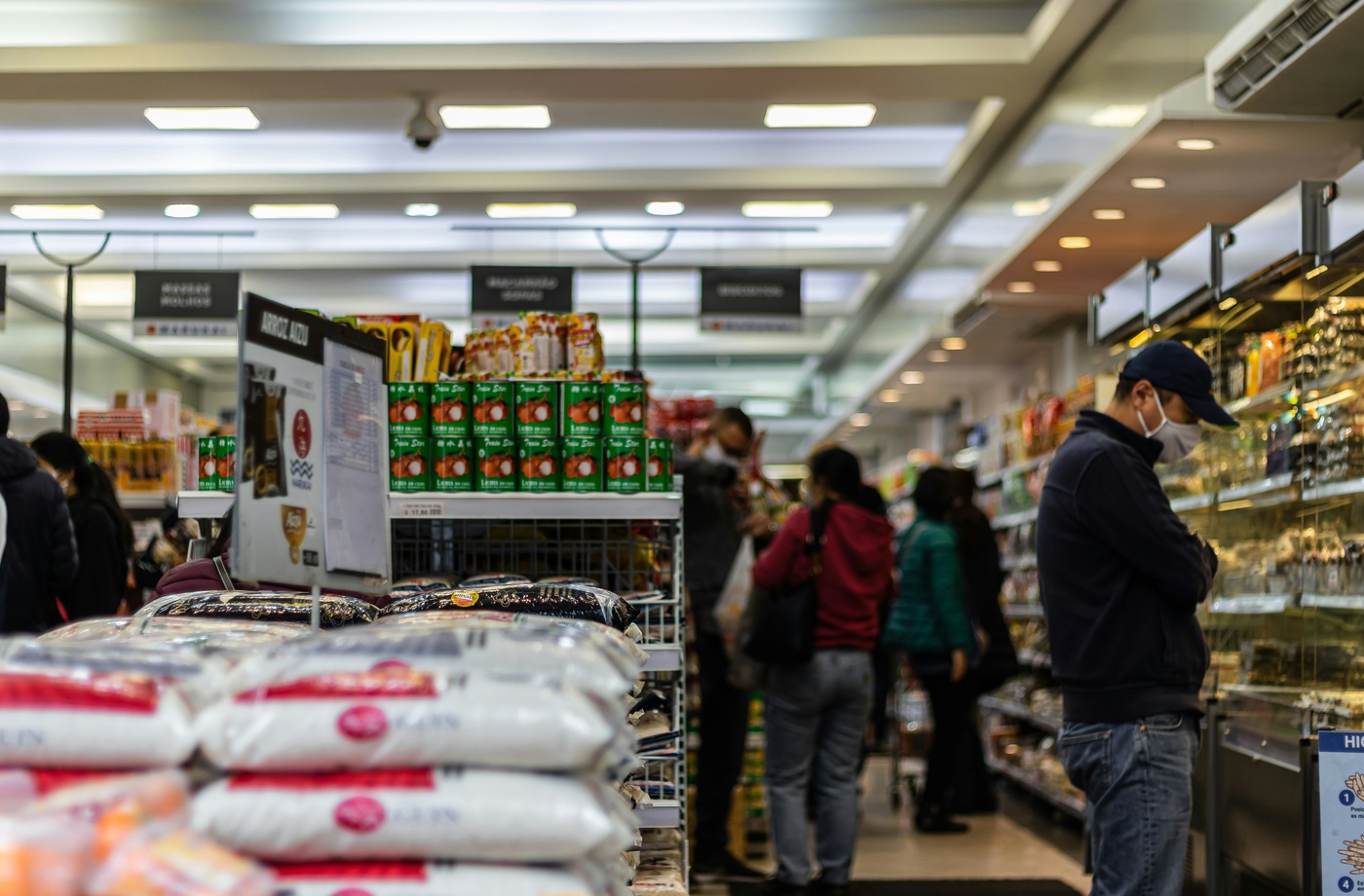
Rice, oats, quinoa, and pasta have long shelf lives and are pantry staples that can be used across a variety of meals. Buying larger bags or multi-packs usually cuts per-unit costs by 20–40%. - Canned goods
Stocking up on canned tomatoes, beans, broth, and vegetables is cost-effective, especially when prices dip during sales. Just check expiration dates and rotate your stock regularly. - Frozen fruits and vegetables
Bulk frozen produce is just as nutritious as fresh, and it won’t spoil quickly. Great for smoothies, stir-fries, and soups. Buying large bags from stores like Costco or BJ’s Wholesale Club can significantly reduce your per-serving cost. - Baking essentials
Flour, sugar, salt, and baking powder are usually cheaper in bulk. These items store well in airtight containers and are worth buying in larger quantities if you bake regularly. - Snacks and school lunch items
If you pack lunches daily, bulk-buying pretzels, granola bars, trail mix, and crackers can save a lot—especially when repackaged into reusable containers at home. - Toilet paper and paper towels
These household staples rarely go bad and are typically cheaper per roll when bought in bulk packs. Look for warehouse deals and manufacturer promotions. - Coffee and tea
Ground coffee, whole beans, and bulk tea bags are all good bulk buys if you’re a regular drinker. Be sure to store in airtight containers to preserve freshness.
Grocery items to skip in bulk
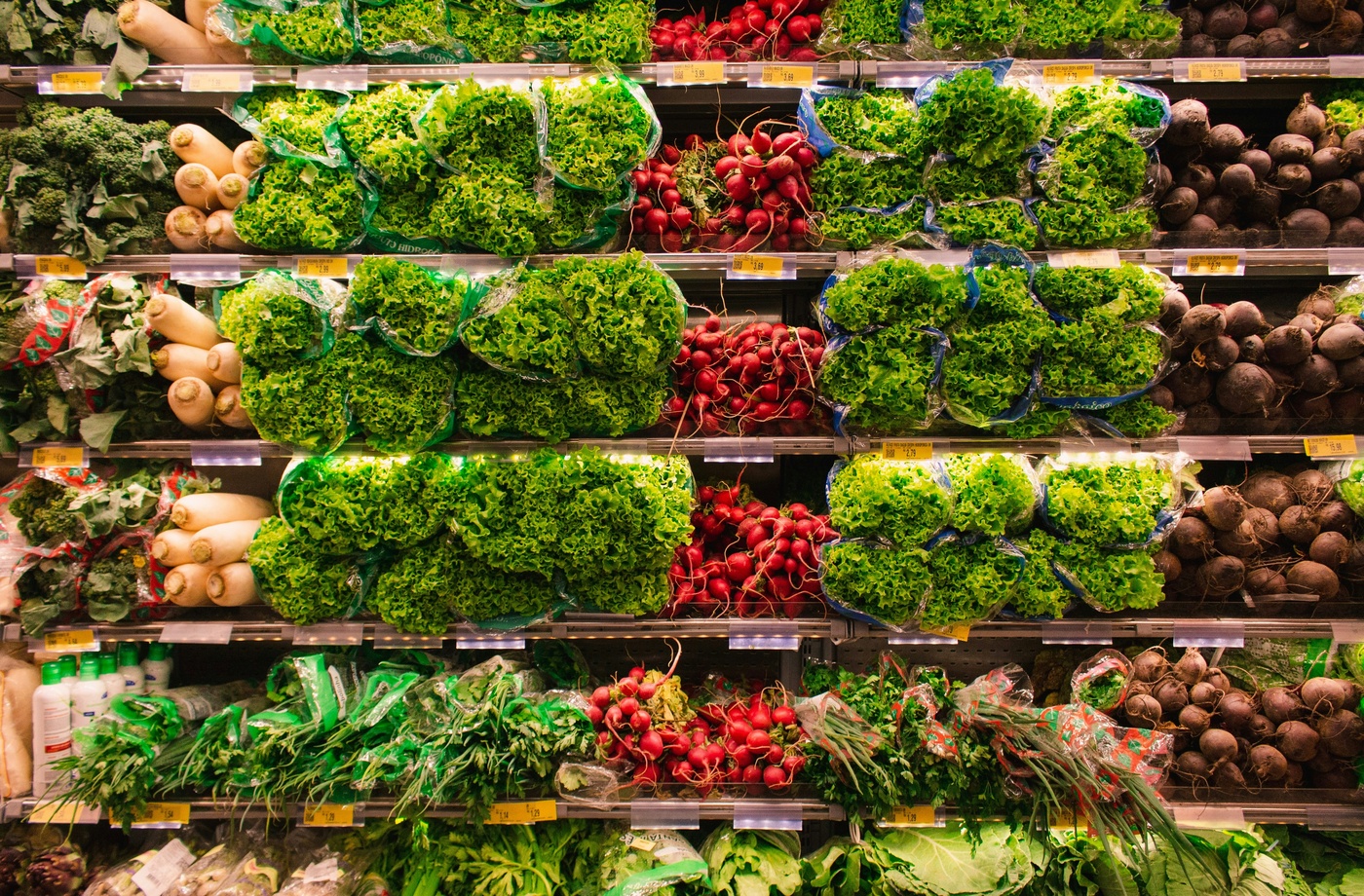
- Fresh produce (unless freezing)
Buying large amounts of fresh fruits and vegetables may lead to waste unless you’re cooking for a crowd or preserving them. Delicate items like berries or leafy greens spoil quickly. - Spices
Spices lose potency over time, and unless you use them frequently, large containers can sit unused for years. It’s better to buy in small quantities and restock when needed. - Dairy and eggs
Milk, cheese, and eggs are cheaper in bulk but come with a short shelf life. Unless your family consumes these quickly, stick to smaller packages or freeze select dairy items like shredded cheese. - Condiments
Ketchup, mustard, and mayo last a while, but oversized containers take up fridge space and may expire before you finish them—especially if you’re a light user. - Oil
Cooking oils, especially olive oil, can go rancid if not stored properly or used within a reasonable timeframe. If you don’t cook daily, buy smaller bottles to preserve quality.
Smart bulk-buying tips
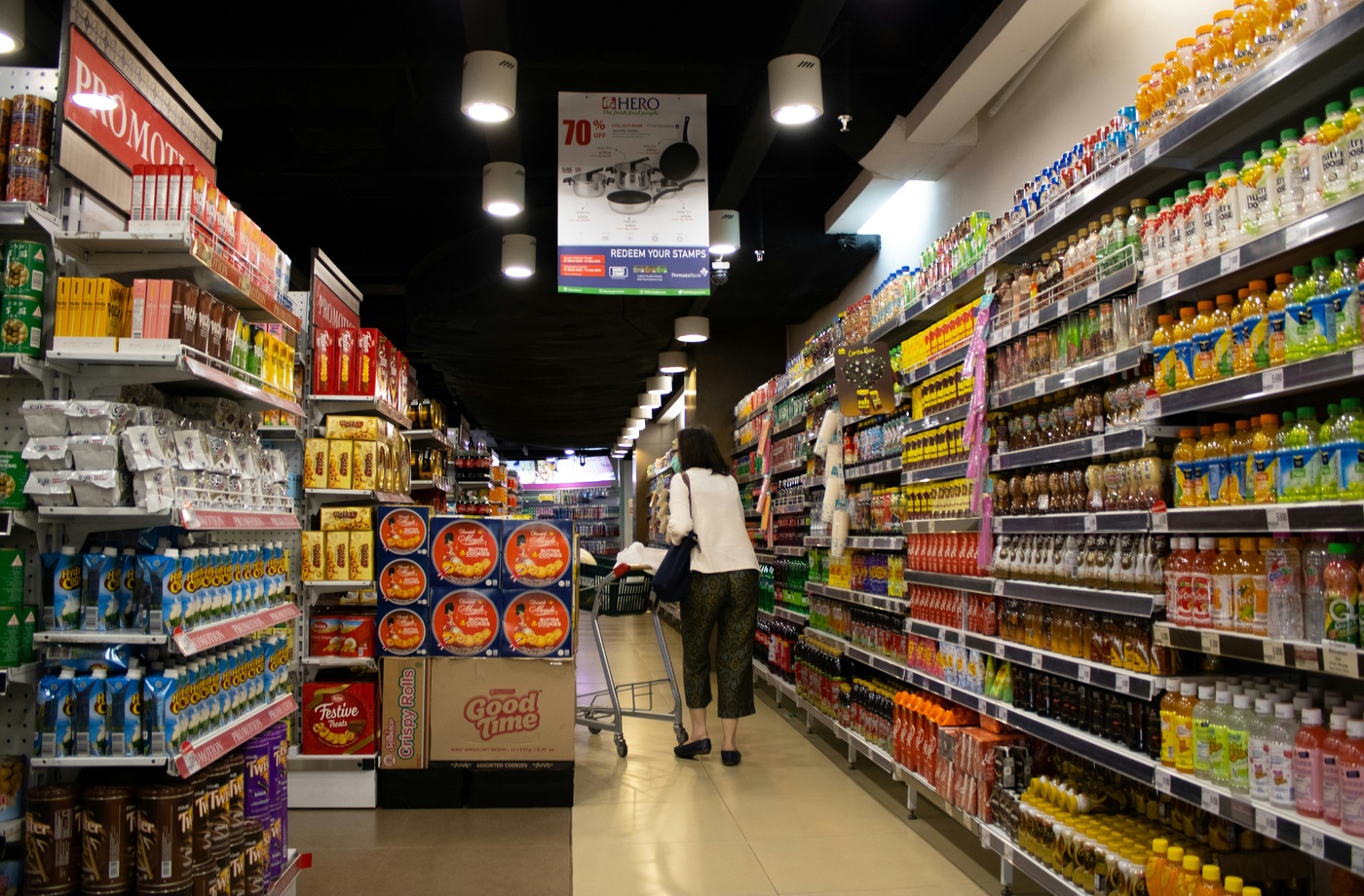
- Check unit prices on shelf tags to compare actual savings. Bigger isn’t always cheaper.
- Only buy what you have space to store properly. Airtight containers and a cool, dry pantry are essential.
- Track expiration dates and rotate older stock forward.
- Split bulk purchases with a friend or neighbor if the quantity is too large for your household.
Where to shop for bulk groceries
Warehouse clubs like Costco, BJ’s, and Sam’s Club offer excellent deals for bulk shoppers. Some items, like grains, nuts, and dried fruit, are also cheaper in bulk bins at stores like Sprouts Farmers Market or Whole Foods Market.