One of the smartest ways to cut your grocery bill is by shopping in season. When produce is harvested at its peak, it’s more abundant, tastes better, and costs significantly less. Knowing what fruits and vegetables are in season each month helps you plan meals around the best deals—without sacrificing nutrition or flavor.
Here’s a month-by-month breakdown of what’s cheapest and freshest throughout the year, so you can maximize your grocery savings.
January – Root vegetables and citrus
Best buys: oranges, grapefruits, carrots, beets, cabbage, leeks, potatoes
Why it matters: Winter citrus is at its peak, offering high vitamin C at a low cost. Hearty vegetables like carrots and cabbage are ideal for soups and stews.
February – Cruciferous vegetables and tropical fruit
Best buys: broccoli, cauliflower, Brussels sprouts, bananas, papayas
These vegetables hold up well in cooler weather, and imported tropical fruits are often discounted as demand grows post-holiday.
March – Leafy greens emerge
Best buys: spinach, artichokes, asparagus, spring onions
As spring approaches, early greens like spinach and asparagus begin appearing in stores at better prices.
April – Peak greens and spring fruits
Best buys: strawberries, radishes, lettuce, peas, rhubarb
This is when salad greens hit their stride, and berries start becoming more affordable.
May – Berries and fresh herbs
Best buys: blueberries, strawberries, cherries, basil, mint, cucumbers
May marks the beginning of berry season and is a great time to stock up and freeze extras.
June – Stone fruit and summer vegetables
Best buys: peaches, nectarines, plums, zucchini, corn, green beans
Summer harvest begins in earnest, bringing a wave of sweet fruits and fast-cooking vegetables.
July – High summer abundance
Best buys: tomatoes, bell peppers, melons, cucumbers, eggplant
Everything from watermelon to heirloom tomatoes is at its cheapest and freshest in July.
August – Peak produce season
Best buys: corn, peaches, grapes, squash, cantaloupe
This is one of the most budget-friendly months for fresh produce across the board.
September – Early fall transition
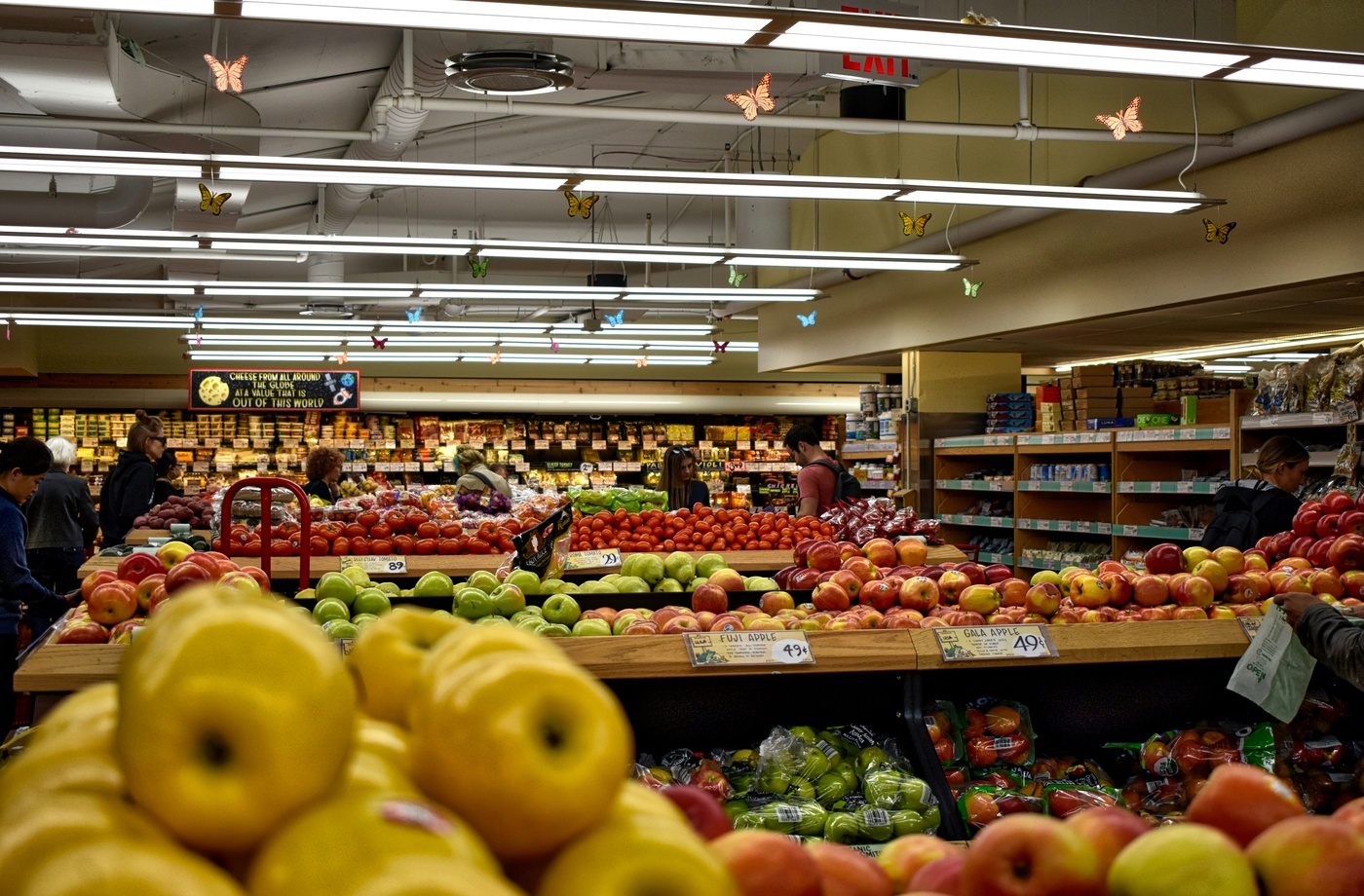
Best buys: apples, pears, sweet potatoes, spinach, kale
Late-summer and early-fall crops overlap, offering a wide variety of produce at value prices.
October – Fall fruits and root veggies
Best buys: pumpkins, cranberries, mushrooms, carrots, turnips
Great month for bulk produce used in baking and hearty meals. Look for deals on squash and fall apples.
November – Holiday ingredients go on sale
Best buys: cranberries, potatoes, onions, celery, Brussels sprouts
Stores discount holiday staples like stuffing ingredients and roasting vegetables in the weeks leading up to Thanksgiving.
December – Storage crops and winter citrus
Best buys: oranges, lemons, kale, sweet potatoes, cabbage
Cold-season crops dominate again, but citrus from the South and California make a strong showing.
Where to find seasonal produce lists
If you want to dig deeper, check out the Seasonal Food Guide for your region. It lets you search by state and month to find what’s local and in season.
Plan meals around the seasons for real savings
Shopping seasonally doesn’t just reduce grocery costs—it often leads to more nutritious meals and better-tasting produce. Build your weekly meal plan based on what’s currently cheapest, and take advantage of bulk discounts when items hit peak season.
Freezing, pickling, or preserving extras can help extend savings even further into off months.